
…perspective… via Reference Library
Read More
…perspective… via Reference Library
Read More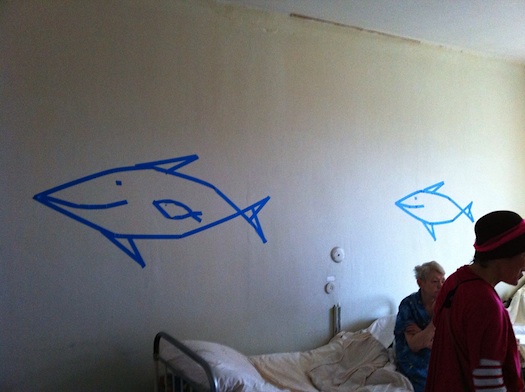
Holton Rower and his daughter Sofia are in Russia on Patch Adams’ Clown Tour. Patch is the famous radical-thinking medical doctor and founder of the Gesundheit Institute who believes in laughter, joy and creativity as immune boosters. Every year he takes a group of folks to Russia for two weeks, to spread clown medicine in…
Read More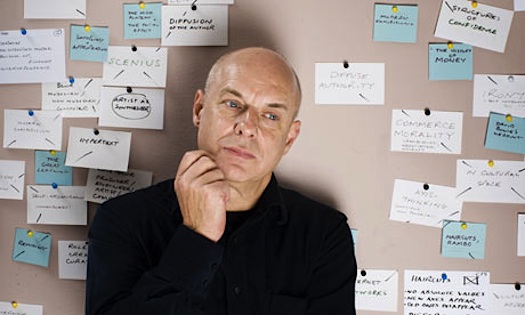
Warren Ellis posted a compelling chunk of Pitchfork’s long interview with musician Brian Eno about the value of “structuring ideas” in improvising. (We’ve added a paragraph from earlier on in the interview…) To listen to Eno’s ‘In Dark Trees’ while you read, click here: “… we have two different ways of working. One is completely…
Read More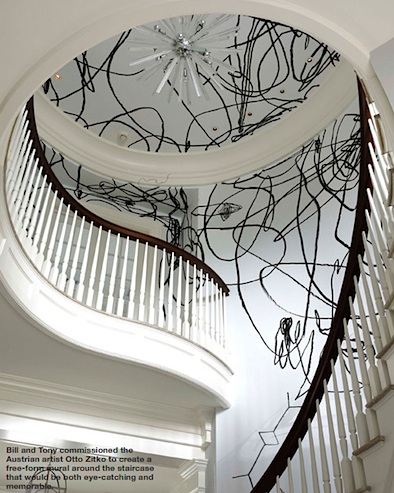
A couple of weeks ago, we imagined what it would be like to apply Austrian artist Otto Zitko’s beautiful scribble scrabble to a REAL living space. We just stumbled on just that: the interior designer team of William Diamond and Anthony Baratta commissioned Zitko to do his thing on the walls and ceiling around a…
Read More
…wooden table as percussion instrument and choreographer’s palette + arms/hands = table dancing (no fancy footwork needed) We never thought of that!… …Just watching gets your energy moving (We love the ‘BE AMAZING’ sign in the background). (The video’s surprising origins are traditional Irish dance under the influence of hip-hop, contemporary dance and electro-pop, created by…
Read More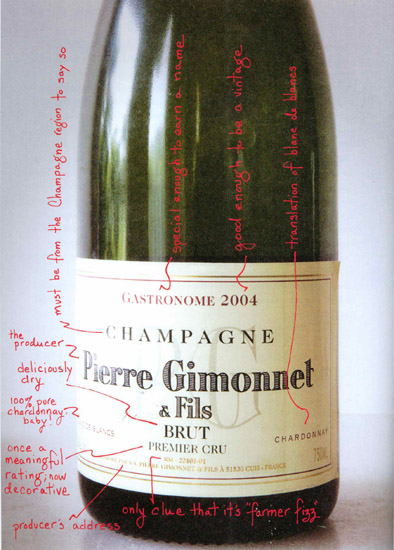
There are many wonderful things in the latest issue of Canal House Cooking. The self-published cookbook by Christopher Hirsheimer and Melissa Hamilton are like a grown-up’s kids-book, with photos, illustrations, writing and recipes that will take you away from wherever you are, and into a very magic (and attainable) world. There are also treasures you…
Read More
Thank you for bearing with’the improvised life’ going “dark” for a bit. We appreciated the very warm words and wishes we received and took them with us, heartened. We’re back, changed by having spent time with someone whose long life is winding down; we find ourselves viewing things through a different lens. Instead of jumping back…
Read More
Wabi sabi is a Japanese way of appreciating the beauty of impermanence and imperfection. Plum blossoms, the theme of many great Japanese poems and paintings, are a perfect expression of wabi sabi: they are beautiful, fragrant and hardy, but they only last for a few days. When you focus your heart on plum blossoms you…
Read More
We recently got the news that a dear friend is seriously ill, and with it this message: sometimes you need to put your plans and schedules aside to show up elsewhere, and rise to challenges that may break your heart. So rather than worrying about posts and internet connections, we are going to just be…
Read More
We LOVE Isabel Rower’s brilliant idea to put posters on the ceiling…
Read More
Sofia Rower alerted us to this astonishing video by Danny MacAskill, which goes way beyond his technical brilliance. We love the first minute best: a glimpse of the setbacks and difficulties that come with achieving this kind of mastery…A big reminder of what it often takes to be able to LEAP! with ease and push the…
Read More
About a week ago, in our post about treadmill desks, we were bemoaning (and marveling at) the concerted ugliness of treadmill design, wondering how we could ever improvise a desk that would be pleasing to look at. Then we stumbled on Core 77’s amazing in-depth post of attempts to rethink the treadmill (with tons of…
Read More
Tara Mann alerted us to Mashable’s slide show of unusual offices. We especially like this impromtu cardboard office designed by Paul Coudamy, who cleverly used corrugated cardboard as walls and shelves (more photos follow). Of course we instantly started hunting down that really thick cardboard that’s so perfect for making furniture like this chaise…
Read More
Related posts: How to Find a Hidden Solution Anne Herbert: Unaccumulate Going from Can’t to Can Anne Herbert’s Wise and Teeny Meditations
Read More
This is the front door of some friends who live in Brooklyn. They didn’t any ‘real’ house numbers when they moved into the house, so they made these artful numbers out of thin masking tape. Because the doorway is somewhat protected, the impromptu numbers have survived wind, rain, sleet and recently even a tornedo. Now…
Read More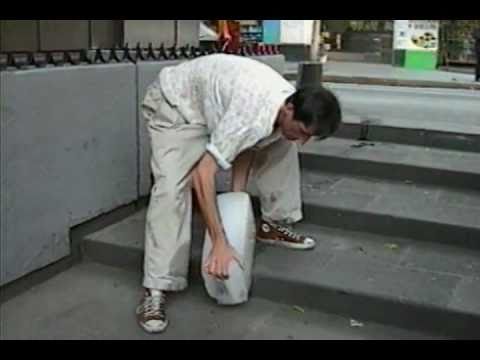
In this video, artist Francis Alys pushes a block of ice through the streets of Mexico City over a nine hour period; here it is edited down to 5 minutes. The cumbersome block gradually diminishes to the size of a tennis ball, until it finally melts into a puddle of water on the pavement. Writes…
Read More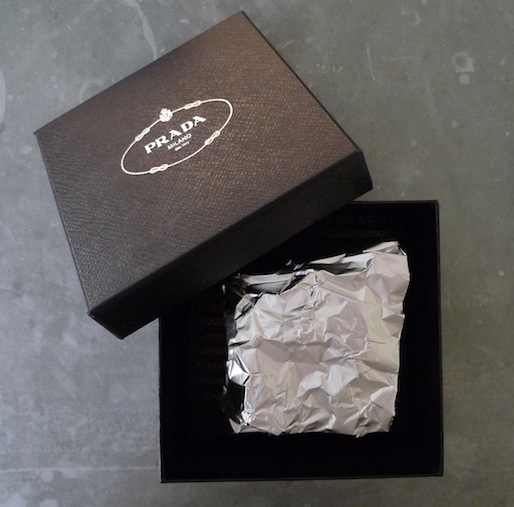
We’ve written a number of times about the gifts our neighbor Matthew Sporzynski occasionally leaves outside our door. They always come with perfect timing for whatever is going on in our lives, and are always wonderfully presented. Like this one. Matthew called to say “I made an experimental mac-and-cheese. Would you like to try it?”…
Read More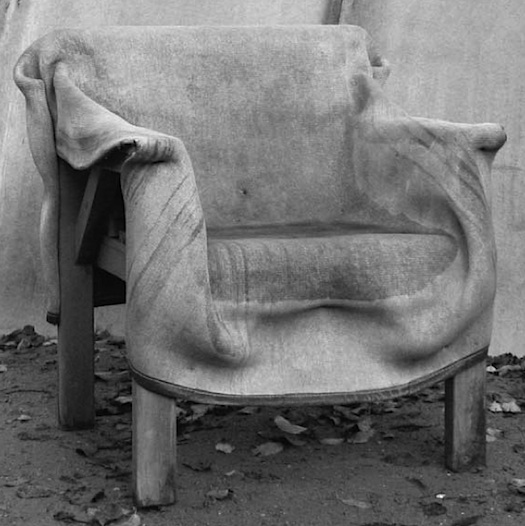
Our new favorite fantasy material is Concrete Cloth: a flexible cement impregnated fabric that hardens when hydrated to from a thin durable water and fire proof concrete layer. This video and a pdf about it gave us lots of ideas. You can drape it over forms to mold it into shapes, like these sculptural chairs and sofas
Read More