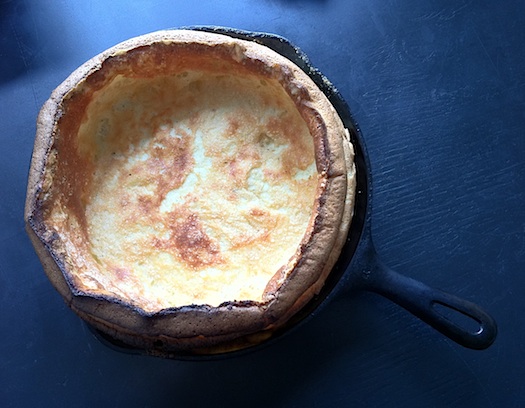
We were poking around food editor and writer Jane Lear‘s website, when we came across a trove of great articles, including one of her pieces for Gourmet Magazine, where she was its Senior Articles Editor for many years. Called Transformers, the premise is that with 3 eggs and two lemons on hand, you can make 5 terrific desserts. Right up our alley. The recipe that caught our eye was a Dutch Baby with Lemon Sugar, basically a giant popover with pancake overtones cooked in an iron skillet, onto which you sprinkle lemon sugar for a bit of crackle at the last minute. It’s GREAT, easy and made with ordinary ingredients, our favorite combo. (On our second try, we monkeyed with the recipe slightly; see the Note below).
As we were gobbling it, we thought: Couldn’t this also be great savory instead of sweet? We imagined it baked with grated Parmigiano Reggiano, to make something akin to a giant gougere, an eggy, crispy cheese puff usually made in bite-size portions. We we tried our idea out then-and-there. read more…
Yesterday we stumbled on this beautiful image of decoupage scanned from the 1948 Modeles de Decoupages, les Albums du Pere Castor. It was part of a series of cheap children’s books published by Flammarian. We thought: wouldn’t that make a swell virtual ‘flower arrangement’ to send someone via email…just to say hi or wish them an immediate, special greeting. So we emailed it to our friend Suzanne Shaker, whose birthday it is today, a virtual HAPPY BIRTHDAY that we will follow by a REAL celebration and gift (since we’re of a mind that you should celebrate your birthday for MONTHS after the fact, in many ways, with many friends…)
Then we found this wonderful birthday cake from another of the Pere Castor series, and sent it to our friend Tom Fallon, to wish him HAPPY BIRTHDAY. read more…
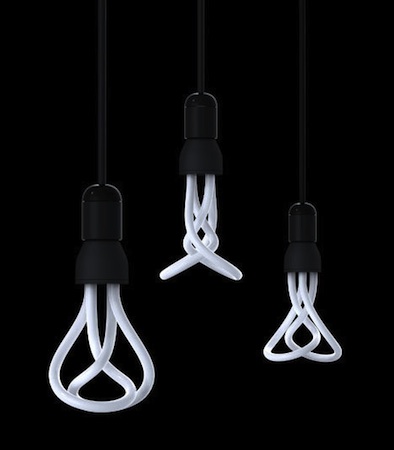
Having been swept up in hype (and hope), we spent $35 or so to buy a Plumen bulb, the high-concept CFL (compact flourescent lamp) that is getting a lot of play on design blogs these days. Designed by Sam Wilkinson for the London-based boutique electronics brand Hulger, the Plumen is meant to be the answer to the unattractive compact fluorescent bulbs whose energy-saving virtues are, for many, cancelled out by the ugly light they cast. The company says that the CFL’s problems can be solved by changing the design. “Make the bulb attractive and people will enjoy a better quality and spend a bit more”. Yeah?
Hopeful, we screwed ours in and voila: the sculptural Plumen emitted the same terrible cold, dim, gulag-like light of an ordinary CFL. The naked truth of the Plumen is: when lit, its 60 watts are ugly… the fancy designed failed in its mission. The Emporor’s New Clothes came to mind. read more…
(Video link here.) Our friend Maureen Rolla sent us this email; it is so expressive, it became a post:
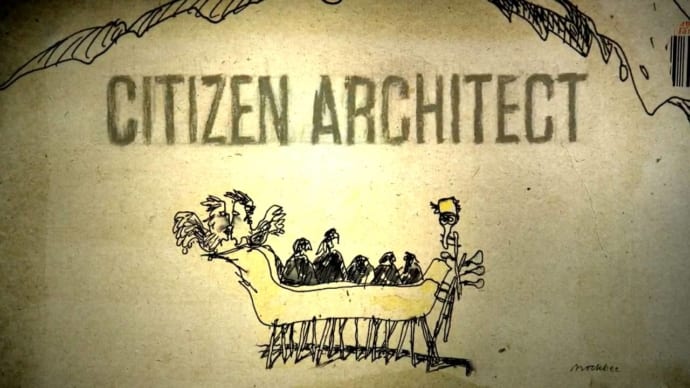
“I am writing to tell you about a person and documentary that you should know about – it is called “Citizen Architect: Samuel Mockbee and the Spirit of the Rural Studio” – about an amazing architect, thinker, dreamer who ran a program called the Rural Studio at Auburn University in which architecture students designed and built homes, churches, and other structures for the residents of the very poor Hale County, Alabama. It is perhaps the best statement about the transformative power of architecture on regular human beings lives that I’ve ever seen (as opposed to big name, star power architecture that pretty much only benefits the star architect…) The students use some ordinary materials (hay bales, tires) in innovative ways to create some simple yet soaring projects. The film is available on Netflix (disk only, unfortunately). Unfortunately Mockbee died in 2001, only in his early 60s.”
We found a trailer for Citizen Architect (above) that makes us hungry to see the film. Check out this moving interview with Mockbee read more…
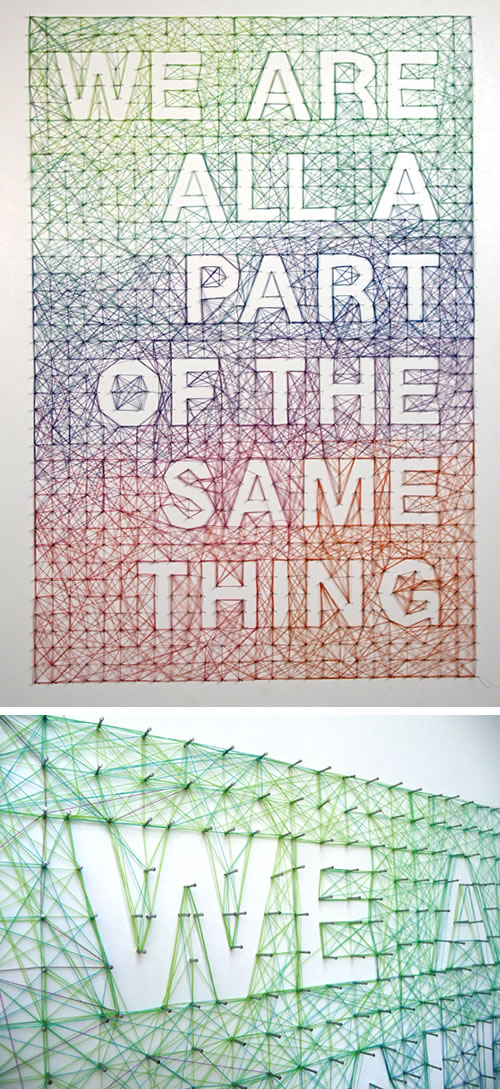
…by Dominique Falla, as an entry to this years Positive Posters competition:
For too long, people have viewed themselves as separate and I wanted to represent a multitude of individuals using the nails, and then coloured string to show how we are all interconnected, and that together, we can make something beautiful.
It kind of reminds us of an elaborate Cat’s Cradle...
…do-able at home even…with just some nail’s and string…
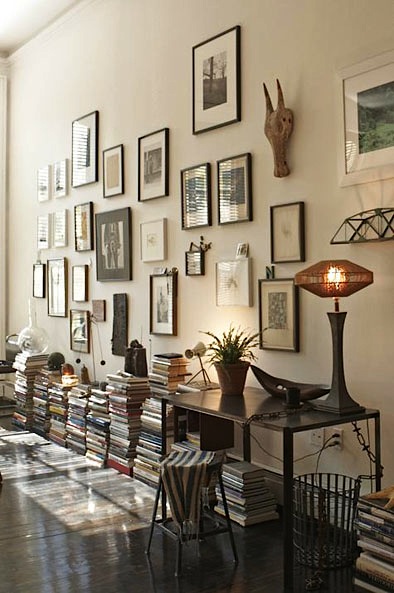
One of the best virtual “house tours” we’ve seen of late was designer Scott Newkirk’s Brooklyn, NY apartment featured on Remodelista via An Afternoon With. Newkirk’s place is beautiful, completely unfussy and full of smart, do-able ideas that make great use of limited space. He’s culled many of his treasures at flea markets, transforming them in interesting ways. Newkirk “finds beauty in the ordinary”, evidenced by dramatic curtains made from rough burlap. We love his stacks of books that double as display shelf.
Details of the apartment are well noted, so you’ll find great information about materials you can apply to your own space… read more…
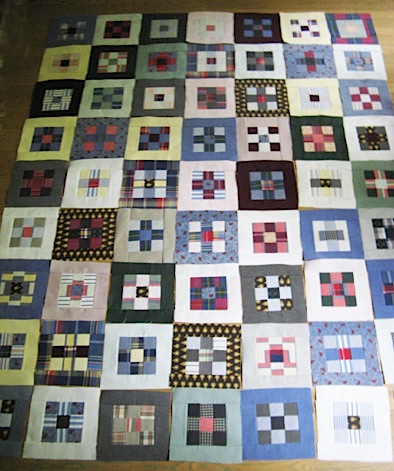
Our friend Linnae recently introduced us to Pat Ludwig, a “self-taught quilter” who blogs all of her projects so you can see the full process of making a quilt start-to-finish. Patwig’s quilts are made exclusively from old fabric scraps, including khaki and denim pants, childhood dresses, curtains, neckties, bedsheets, and even seat cushions.
Her two most recent quilts are particularly interesting. They started out as 35+ button-down men’s shirts, given to Ludwig by a woman whose husband had passed away years before. She wanted her grandchildren to have a piece of the grandfather they had never met and commissioned Patwig to turn his shirts into the Nine Patch and Log Cabin quilts.
We love everything about this, from repurposing old materials into fantastic and functional art projects, to the very idea of a memory quilt. Quilts and blankets are attached to so many comforting and visceral childhood memories; having one made of materials that remind you of family or friends strikes us as a powerful way to remain connected to someone’s presence (even in their absence).
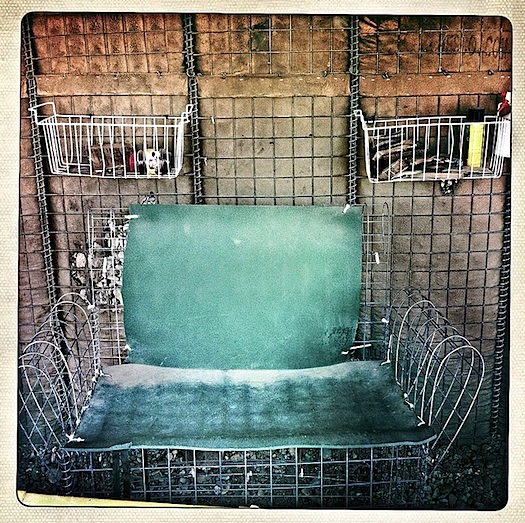
Charles McFarlane alerted us to these pictures of makeshift chairs. They were taken by a reporter embedded with Marines deployed in Afghanistan in 2010, using his iPhone. Improvised out of wreckage, in a war zone, the chairs have a moving and strangely beautiful sculptural quality; they force us to imagine the stories behind them. read more…
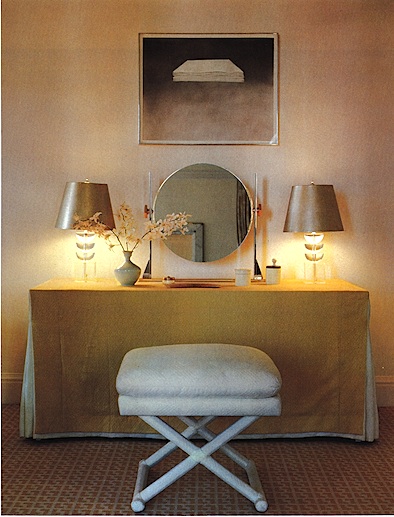
When You Have Been Here Sometime recently posted some images from Architectural Digest, New York Interiors, 1979, we were struck by this one. Although lamps and pouf and carpet are all pretty dated and rigid, a great idea remains: covering a homely piece of furniture with beautiful fabric. Who knows what’s under the ochre yellow panel? It could be two horizontal file cabinets placed end to end for all we know. Layering fabrics adds substance and a mix of textures and colors. The fabric covers don’t HAVE to be hemmed: intentionally ripped linen can be beautiful… read more…
We are smitten with this short, illuminating online slideshow in which Marco Leona, chief scientist at the Metropolitan Museum of Art, talks about the role of magic in the creation of art. It is so delightful and illuminating, we’ve watched it several times: a rich 4 minutes.
“Magic traditionally was about transformation: taking something baser, less refined, less valuable and making it something resplendent.”
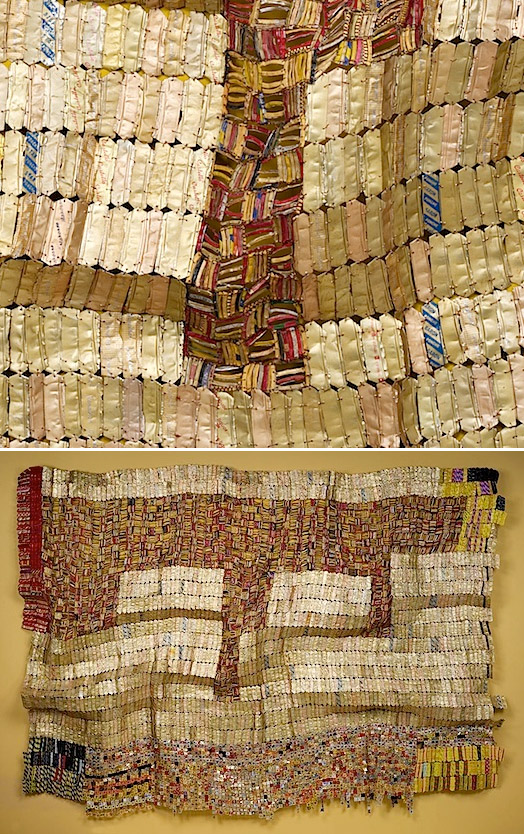
He shows a wide array of artworks to illustrate this transformation, ranging from Ghanaian El Anatsui’s stunning tapestries made of twist-off bottle caps, to Hokusai’s famous blue wave to Anish Kapoor’s high-tech wonder. We particularly love slides 14 through 17 where Leona speaks about the process an anonymous 12th century Persian artist went through to make a gorgeous frieze tile: read more…
My fondness for French fries is ruled by an idiosyncratic logic that, for a while, made them mostly off-limits. It goes something like this: perfectly-fried French fries are rare even in restaurants. At home they are daunting: hours of fry-o-lator air lingering in the apartment, and a quart or two of hot fat to discard. Because they are deep-fried and fattening, they must be really superb to be worth eating….
Those constraints sent me on a mission to find a way to achieve the divine effect and flavor of REAL French fries without either the mess, ‘fry’-ladened air, or the dietary wallop. Even if they weren’t more healthful, I’d take my fries, made in the oven, over most of the fries I find in restaurants any day.
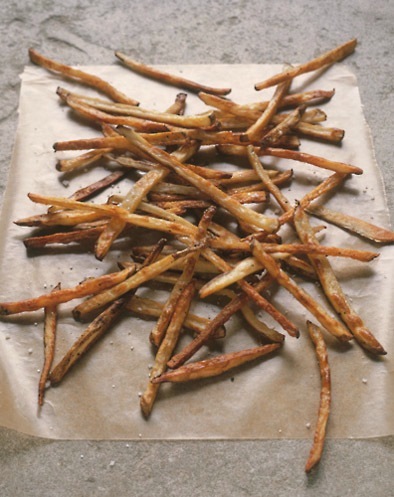
It took me a while to figure out just how to push my oven fries beyond just-okay, half-too-crisp, half-limp ersatz fries that many recipes yield. The secret: Roast them in a hot oven for most of the time, then turn the oven down to dry the interiors out just enough to be truly fry-like. Use the right potato. And the right fat. That’ll give you a truly fry-like fry, perfect alongside a roast chicken or steak, or to dunk in a soft-cooked egg for breakfast.
Here’s the thinking behind, and a recipe for, crisp, deeply satisfying oven fries with lots of opportunities for improvising: read more…
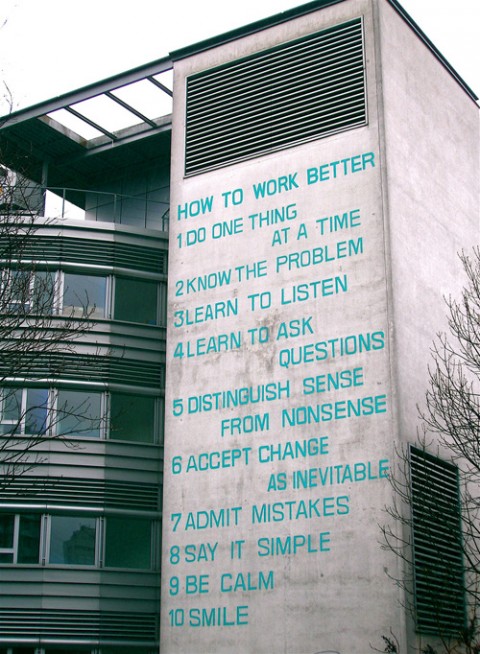
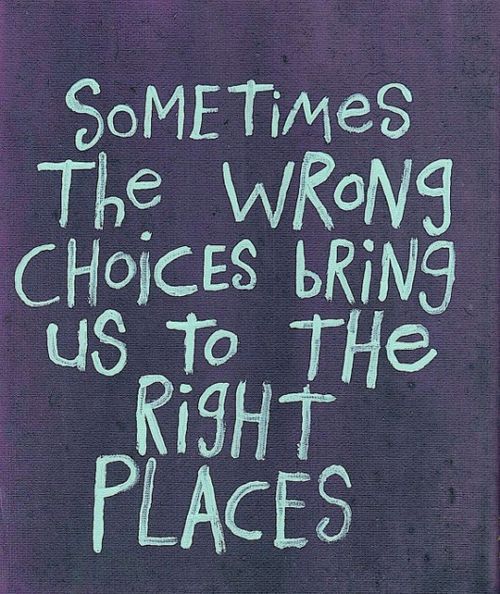
“How-To Work Better” by Swiss artists Fischli & Weiss has long been one of our favorite manifestos: the reminder we need daily. We’d seen it all over the internet, and posted it as a sign long ago. We hadn’t realized that it was, in fact, an installation, painted on the wall of an office building in Zurich.
Imagine if, instead of advertising, bill-boards featured signs like this…or if building owners just took it upon themselves to paint (or stencil) their buildings a little differently…
(Video link here.) I tend to have mixed feelings about the growing number of options for social networking. I’ve definitely noticed my own reliance on social networks making me a little more self-indulgent and a little less personal in my communications with friends. But the power of social networking sites to create communities for people greatly in need of them never ceases to amaze me. Case in point: I Had Cancer, a social networking site for folks who have been diagnosed with or survived cancer and their loved ones. It was created/improvised by a cancer survivor, responding to the need she saw around her, and that she herself had experienced. And because everyone is touched in some way by cancer, dealing with it themselves, or knowing someone who is. read more…
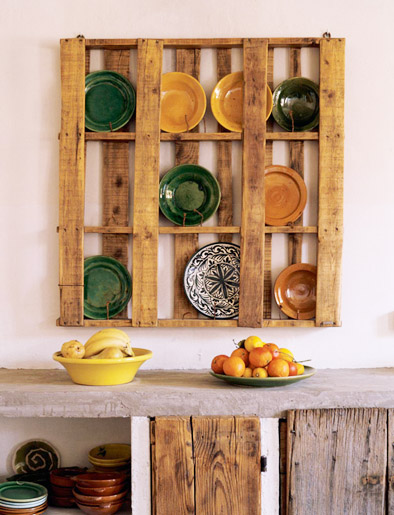
When Style-Files recently posted about furniture maker and interior designer Katrin Arens, we couldn’t help seeing a shipping pallet in her rustic dish rack. Or vice versa…
…h-m-m-m…take a slat or two away, or pull the whole thing apart to build with the slats you like…it’s a simple configuration…
…there appears to be no end to what a shipping pallet can be.