
I rely on my tightly edited instagram feed to bring ideas and wonders right to me when I need them. Then a powerful quote from Saul Bellow sparked an essential question.
Read More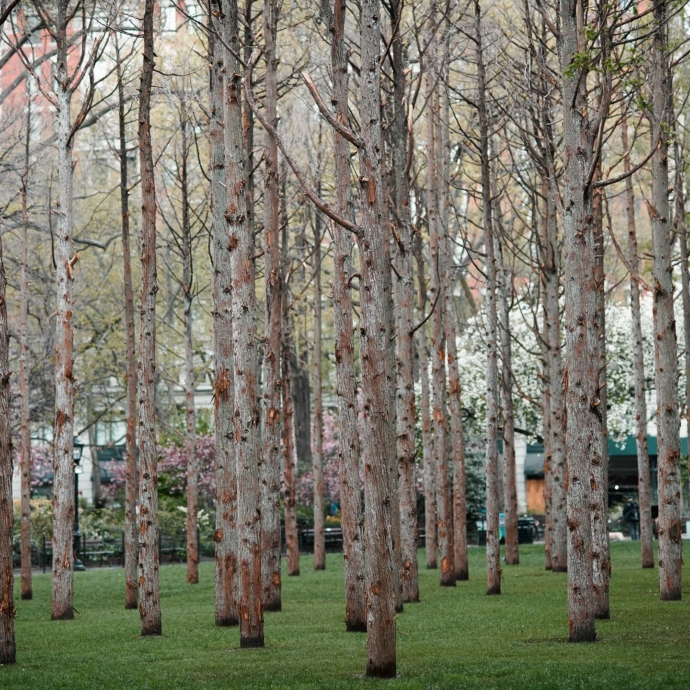
I rely on my tightly edited instagram feed to bring ideas and wonders right to me when I need them. Then a powerful quote from Saul Bellow sparked an essential question.
Read More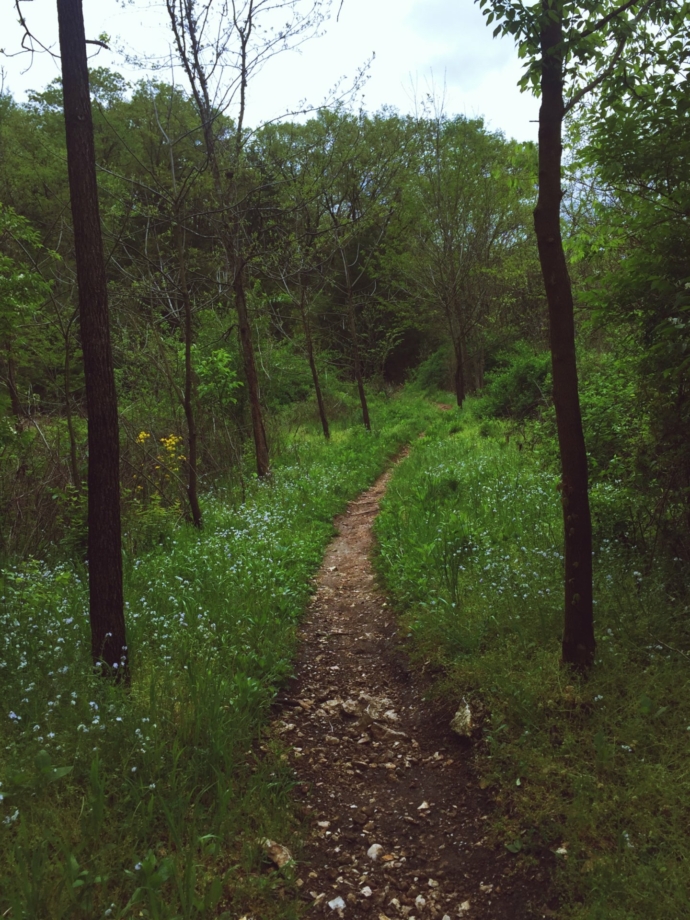
“The pace we choose when we walk can be decisive for how we think”, writes explorer and philospher Erling Kagge in Walking One Step at a Time. Apply it more broadly and it becomes a startling life principle that can profoundly shift everyday experience…
Read More
Every week, unexpected messages fly over my transom, many from stranger-friends who have read something I’ve sent into the world via Improvised Life, in a kind of call-and-response. Like this illuminating beauty from Katherine Davich, a powerful spill of rain memory sparked by Thomas Merton’s RainText.
Read More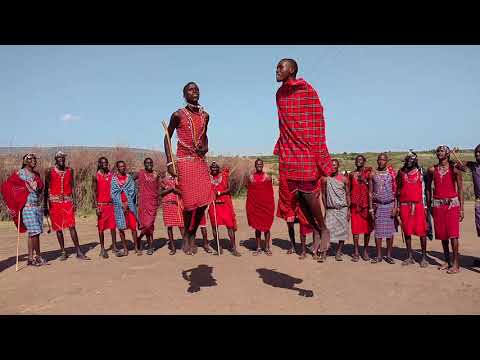
We don’t know the deeper meanings of this spectacular jumping dance performed by young Maasai warriors as part of a coming-of-age ceremony. We love the forthright vitality, energy, joy of it, a feeling we want to have starting each day. It got us thinking about Ikigai, the Japanese concept we wrote about a couple of years ago, and the big question it asks.
Read More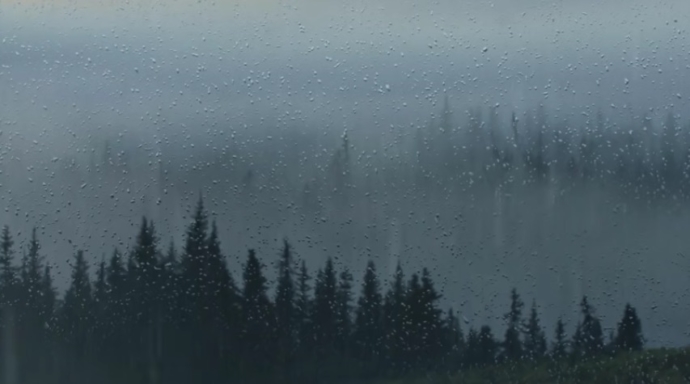
The very best words on rain we’ve read are from American hermit, mystic, priest, Thomas Merton. He wrote it one rainy night in his hermitage at the Abby of Gethsemeni in Kentucky. It has shown us rain in a new way…
Read More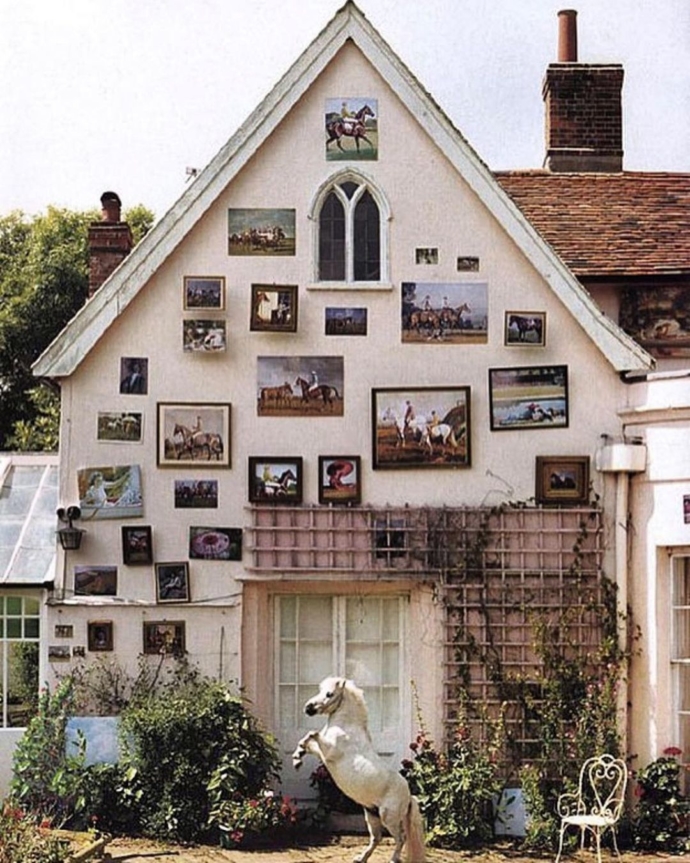
Ever since we spotted this house with framed art on the outside, we’ve been thinking about wonderful places to hang pictures that most people don’t use.
Read More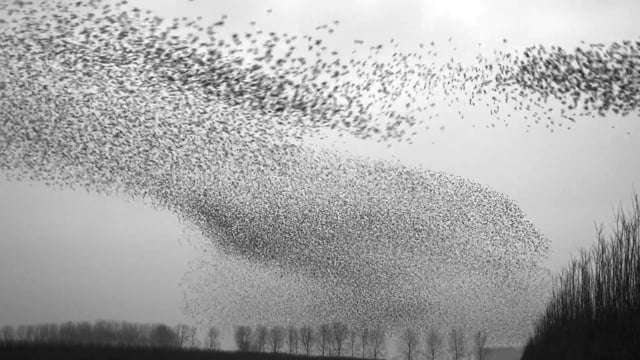
A while back, we posted “Let’s Save Charlie’s Life”, about our friend Charlie Allenson who needed a kidney transplant to save his life, Charlie got his transplant through an anonymous donor touched by one of the messages asking for help that Charlie’s many friends and colleagues sent out via social media. It got us thinking about miracles, and we found insight from Whitman, Mary Oliver, and Charlie himself.
Read More
We have marveled at Susan Simard since we realized she was the model for the fearless, hermetic tree botanist in Richard Price’s wondrous tree-centric novel The Overstory. Her new book Finding the Mother Tree: Discovering the Ancient Wisdom of the Forest about the intricate underground communication network trees create and depend upon got us thinking about the perfect gift, for Mother’s day or otherwise.
Read More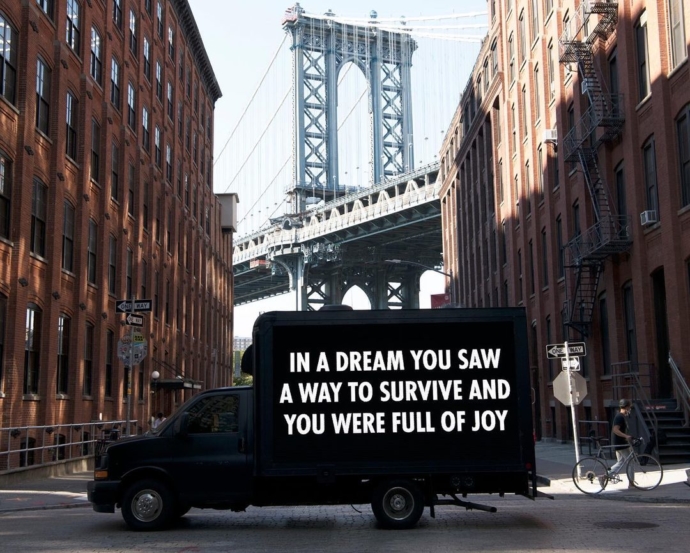
“Languishing” perfectly describes the unsettling emotional state so many of us find ourselves in a solid year into the pandemic. We looked deeper into its meaning, and found insight in art, music, poetry…
Read More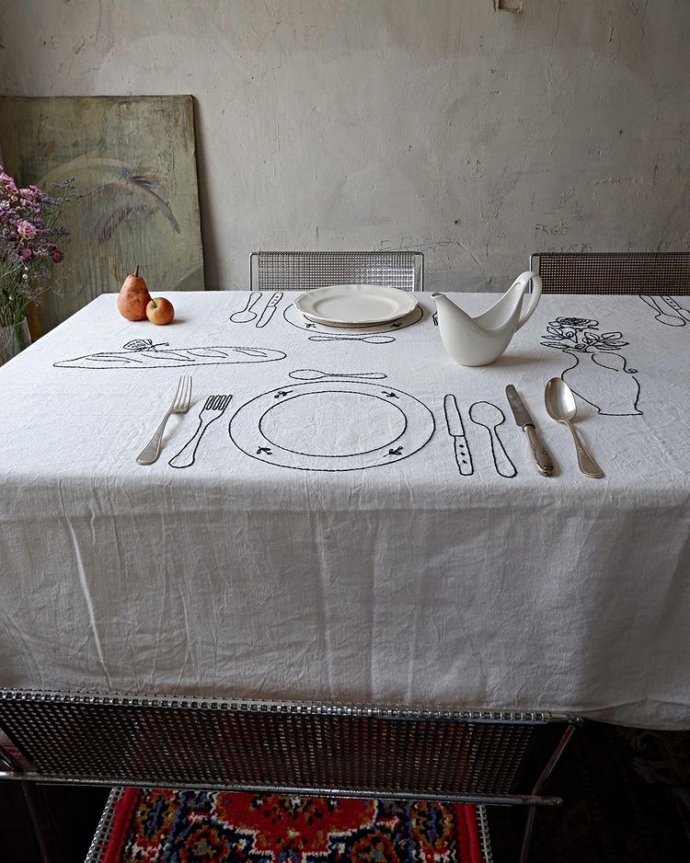
When we first saw French artist Sarah Espeute’s embroidered table linens, we thought they were drawn-on with indelible markers, something we might be able to do. Then ideas and memories began to connect and flow.
Read More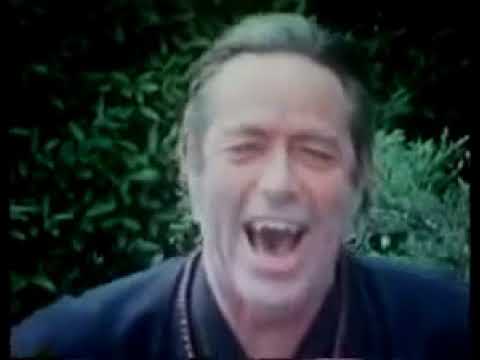
After David Saltman described his remarkable experience seeing Alan Watts give a talk in the 1970s, we hunted down some video of the essential astonishing lesson. Which led to way more…
Read More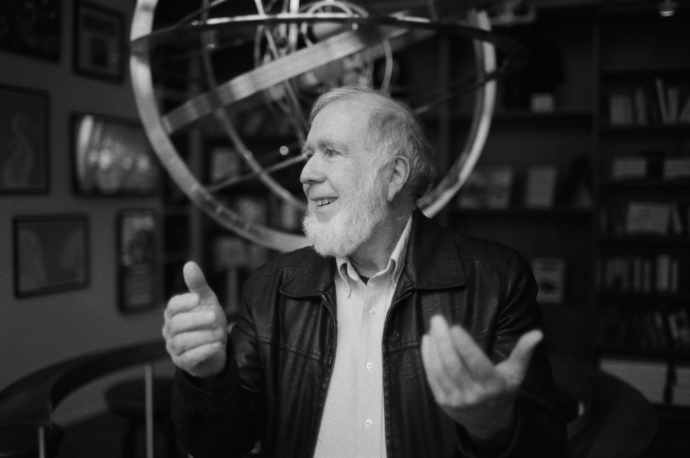
Since Kevin Kelly last published his 68 Bits Of Seriously Good Advice a year ago for his 68th birthday, he’s come up with 99 more pieces of wisdom. Like last year’s, it’s a brilliant list, creating something of a guide for living.
Read More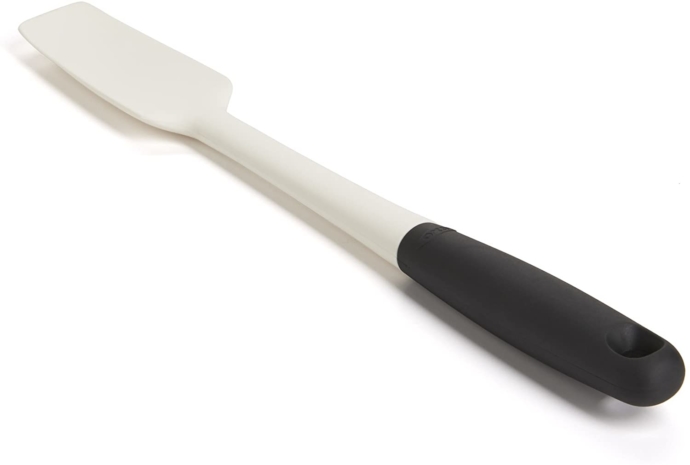
The best eight bucks I’ve spent lately is the OXO’s Good Grips Jar Spatula, a silicone spatula meant for reaching into jars. It’s so curiously-perfect I find myself using it daily for all sorts of kitchen endeavors.
Read More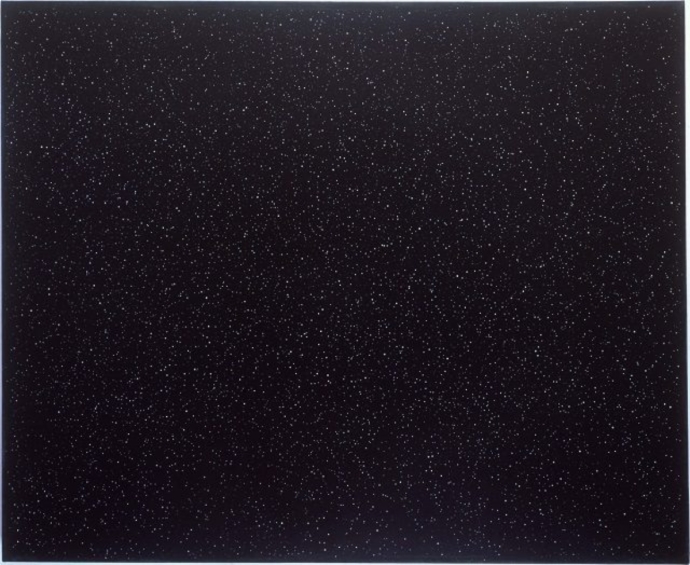
One morning, I found myself listening to poet Mei-mei Berssenbrugge reading Wonder from her book A Treatise on Stars. I was transfixed, calmed, transported by her voice and the story it told. It proved a surprising lesson in seeing stars, and the connection between wonder and not knowing.
Read More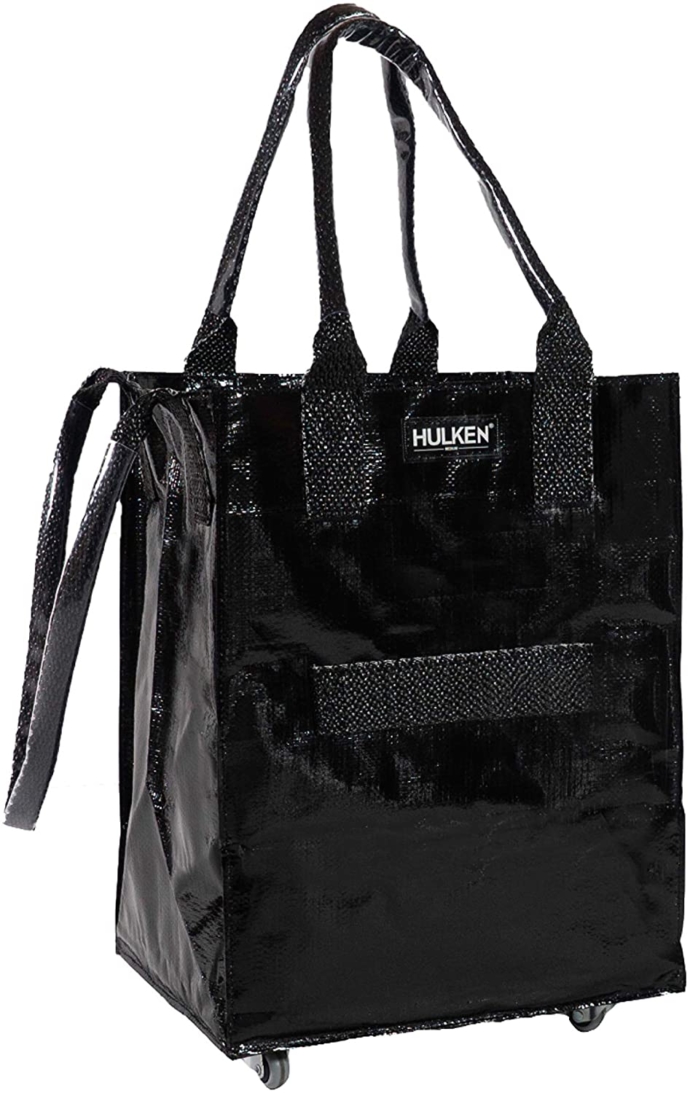
My favorite tool of late is the Hulkenbag: a big cleverly-designed open satchel-on-wheels that holds its structure and can be rolled around anywhere. I throw in whatever I need to shlep and go. When I’m done, I fold it up and stash it out of the way. Perfect.
Read More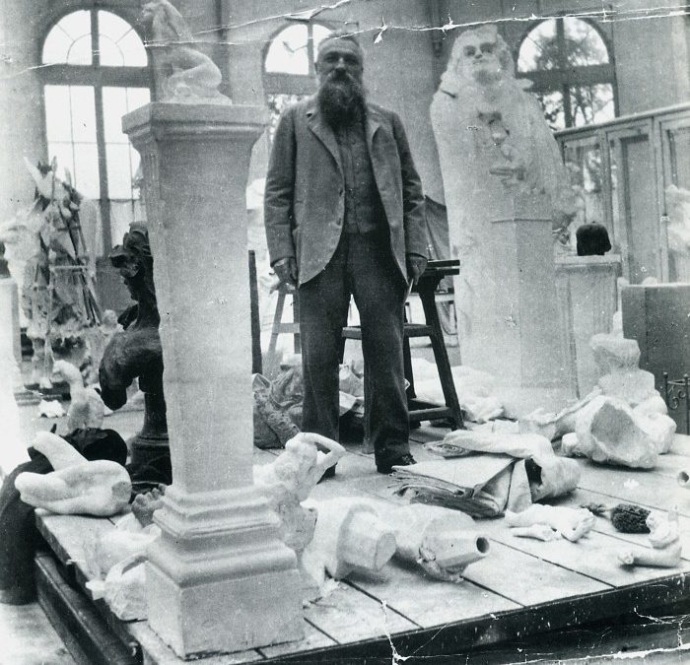
These words from the famous sculptor’s book Cathedrals of France are such good counsel for visiting a museum or a gallery or a cathedral. For life really, and any part of the day.
Read More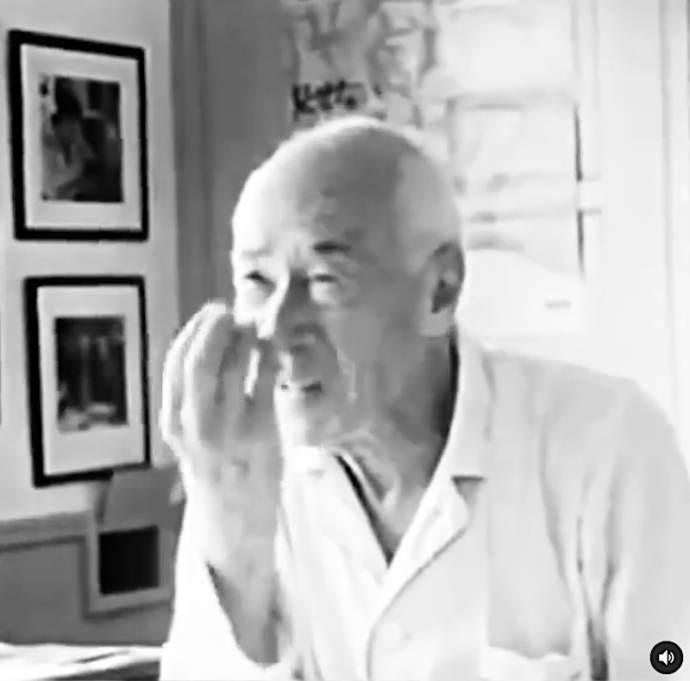
In this teeny clip found at the great @_nitch, American writer Henry Miller described his essential philosophy of living. It is an amazingly good antidote for anxiety and a guide to how to know what to do next. Which is really the creative process…
Read More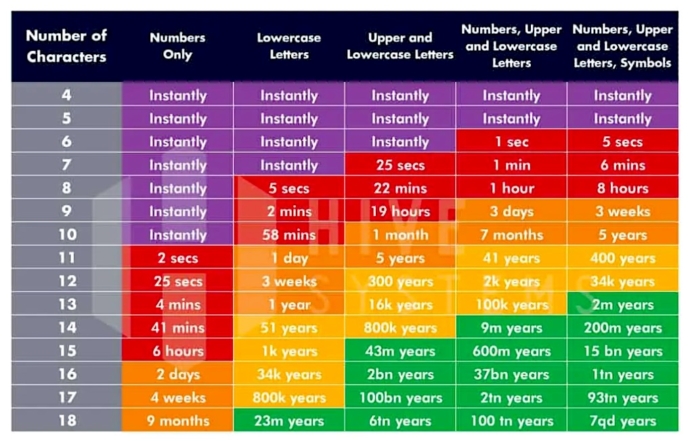
The chart of data sourced from HowSecureIsMyPassword.net shows just how quickly a hacker can brute-force various kinds of passwords, especially the weak grandkid’s-names-type that many people think up. Then there’s THIS solution for making unhackable, easy-to-remember passwords.
Read More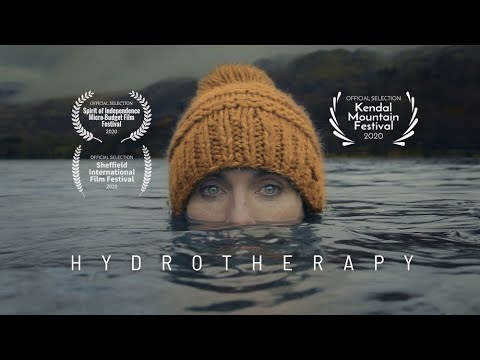
In this lovely (refreshing) short film, Laura Owen Sanderson describes how she found healing from a dire illness through wild swimming. For her, the process was a kind of rewilding…
Read More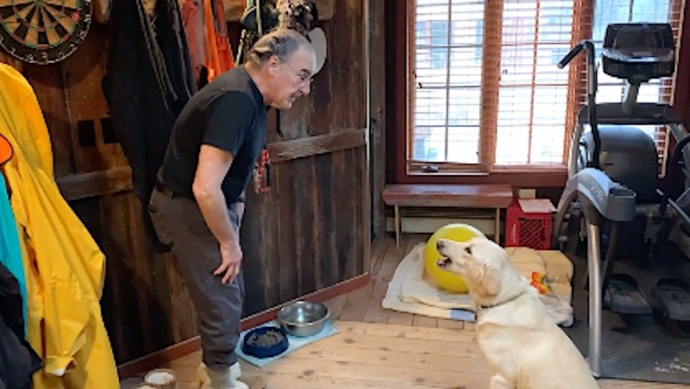
From his retreat at his upstate cabin, legendary actor Mandy Patinkin sings in Hebrew as gets his dog Becky’s food for her. We were surprised to discover that what he is singing is a prayer. And that got us thinking about blessings to accompany simple tasks of daily life.
Read More